
Meal times can be stressful for parents trying to balance healthy nutrition with any picky eaters in the family.
Tips To Minimize Picky Eating & Maximize Delicious Healthy Meals
Fortunately, the clinicians and staff at PANW have tips to help families minimize picky eating at the table and support healthy meal planning that includes a wide variety of nutritious ingredients, including ones your child might typically refuse.
We’ll also provide links to some fantastic, kid-approved recipes that incorporate ample nutrients without ever “looking like” the types of foods or veggies your child tends to avoid.
1. Picky eating stages are normal; don’t let it stress you out
The American Academy of Pediatrics (AAP) emphasizes that as long as you provide your child with a well-rounded diet, it won’t matter so much if they go through a phase of veggie avoidance or decide to use mealtimes as their opportunity to assert independence.
The AAP writes, “…picky eating is a typical stage in child development. In general, there’s no need to worry if your child skips a meal or won’t eat their vegetables. Parents are encouraged to do their best to offer healthy foods and support positive eating behaviors.”
Toddlers are notorious for being picky eaters, especially between 18 months and two years of age. In most cases, children who are introduced to many different types of foods, prepared in different ways, become far less picky between ages five and six. If you always accommodate their pickiness in the early days, your child is more likely to remain picky throughout their life.
The key at this early stage is to:
- Have your child try a variety of different vegetables prepared in different ways.
- Honor when they say they don’t like something and move on. They can eat something else on the plate, which keeps you from getting into the willpower game. In fact, a recent study in the journal Pediatrics found a strong correlation between children who struggle to regulate their emotions and picky eating. The more you remain calm, avoid forcing, and let them eat the rest of their plate, the more you de-escalate that part of the equation.
- Don’t offer to “custom cook” for them. A child who eats well most of the time can skip a meal or part of a meal here and there without harm.
- Avoid replacing something they don’t like with an unhealthy food they demand.
And, of course, you can always contact your pediatrician if you have concerns about your child’s picky eating habits.
2. Proactive approaches can minimize a child’s picky palate
If it’s too late for this, don’t worry about it. Just move on down to Tip #2. If, however, you’re a new parent getting ready to wean your baby and transition to solid foods, you may be able to prevent picky eating from the get-go.
Things to keep in mind:
- Food aversions may be a natural response to something new, so keep offering that food repeatedly over weeks or months to give your child’s palate time to adjust. Even if your child doesn’t eat it, just seeing and touching the food is good exposure and learning.
- Modeling healthy eating habits is essential. Children learn from you. If there are things you don’t like, this could be a great opportunity to re-examine them with your child in a “taste-off” to see whether different preparations change both of your minds.
- Sometimes picky eaters dislike certain food textures more than flavors, and they may find it hard to express that. Preparing foods in multiple ways (raw in a salad, steamed with butter or olive oil and salt/pepper, boiled, mashed, roasted, etc.) can become a fun “food adventure” as you all share your favorite ways to eat a particular food.
- Continue reintroducing a food your child says they don’t like for the next several years. Again, the AAP states that it can take a child (or adult!) at least eight to 10 or more different times before they learn to like something.
- Avoid providing snacks too close to mealtimes.
- Recognize that we all have foods or flavors that we like or don’t like. This is normal. As long as your child eats a well-rounded diet overall, it’s fine if they don’t like broccoli or peas. Give them a vegetable they do like instead.
Again, children exposed to a variety of ingredients and preparations early on are less likely to be picky overall, especially if they are adequately hungry when they sit down for a meal.
3. Engage children in meal planning (and shopping)
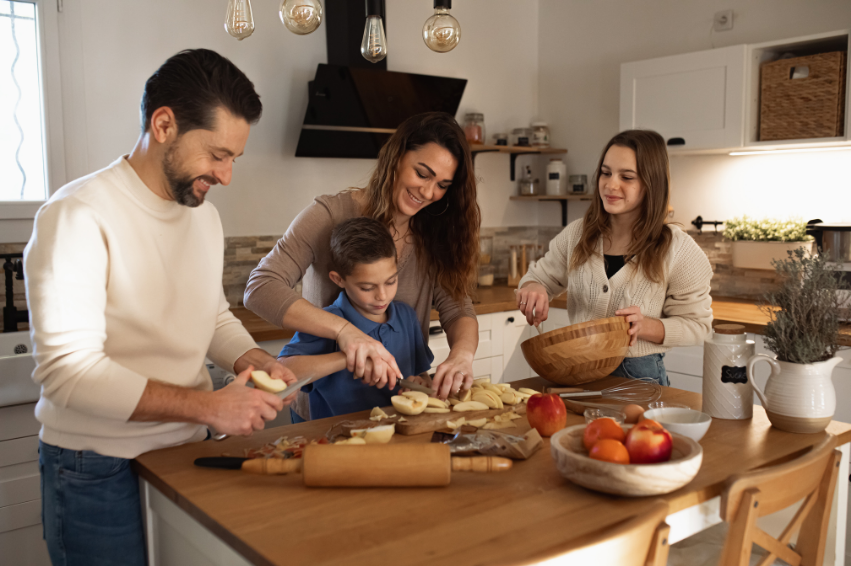
Engaging your children in meal planning offers many benefits. Children who help to choose recipes, prepare parts of the meal (as they’re able), or select ingredients at the grocery store already have a positive attitude towards the meal. This naturally discourages picky eating (especially the willful kind). Plus, learning to prepare meals builds confidence and a sense of competence.
Our blog post about Lunchbox Lifesavers…For Busy Parents offers plenty of ideas for healthy meal planning that support picky-eater-friendly foods. It includes multiple recipes or suggestions that your child can help you prepare.
4. Find fun ways to incorporate foods they don’t like
If your child is a champion picky eater, you may have to get creative. There are many ways to utilize the veggies or ingredients they might refuse to eat as a side dish. By adding veggies to other foods they already like, you show your kids that veggies are a normal, healthy part of eating and that they can be served in endless ways.
This approach is one way your child can learn to like a less desired vegetable or food. These tips work for any family because they boost overall nutrition, so everyone wins.
Some of the easiest ways to get creative with ingredients are to:
- Add veggies to homemade meatballs or meatloaf. Grate carrots or finely chop broccoli or any other veggie, then add it to a meatloaf or meatball recipe, like this Rempel Family Meatloaf recipe, which even the pickiest children and teens rave about. You can also swap ground beef for ground turkey if you prefer.
- Blend greens into a smoothie. Throw some steamed veggies into the morning smoothie, and they practically disappear. These Favorite Toddler Smoothie recipes use zucchini, cauliflower, carrot, spinach, or kale, etc., in delicious smoothies that anyone in the family will love.
- Make zucchini muffins. These muffins incorporate zucchini, apple, and shredded carrot (and reduced sugar) for a healthy but delicious breakfast-to-go or a packable snack.
- Blend steamed veggies into pasta sauce or soups. Pasta sauces and soups are so flavorful that it’s an easy place to use carrots, broccoli, or greens. Just cook them and blend them!.
If you like these ideas, check out The Natural Nurturer’s post, 40+ Veggie-Loaded Recipes For Picky Eaters. She’s got you covered from breakfast through dinner, including incredible desserts that incorporate veggies into the batter.
Worried About Your Picky Eater’s Nutritional Intake? Ask Your PANW Pediatrician!
Remember that Pediatrics study on picky eaters we referenced above? The researchers also found that picky eaters are very rarely underweight or malnourished compared to their peers. In most cases, you have absolutely nothing to worry about.
That said, we understand that your child’s food aversions may still concern you. If so, log in to your Patient Portal and message your pediatrician. We’ll be happy to help you decide whether to schedule a Telehealth or office visit, or if it’s simply time to whip up another batch of veggie-friendly smoothies or muffins. Bon appétit!